The blue gold of Caposele
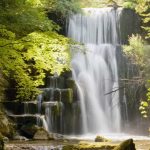
The Sele River’s source, rising in Caposele, feeds the Apulian Aqueduct. Nature hikes are available along the small river park.


Wild herbs are one of the many natural treasures that the Irpinia region offers. Their recognition, harvesting, and use represent a link to the past that is increasingly important not to forget. The search for and collection of wild and medicinal herbs is, in fact, a practice still in use today, bringing back memories, smells, and ancient traditions often passed down to us from our grandparents.
Wild plants and herbs that can be used in cooking and are therefore edible are properly called alimurgic plants and have been collected since ancient times to provide for food needs in times of need.
Even if It’s more difficult than in the past, due to urbanization. Nowadays, they can be found in abandoned fields, in woods at various altitudes, and along the banks and banks of streams.
Obviously linked to the natural cycle of the seasons, the best times for gathering wild herbs are spring and autumn, when they are most lush thanks to abundant rainfall.
According to tradition, wild herbs should be harvested early in the morning, when the sun is not yet high and the morning dew moistens them, giving them greater vitality. However, it is important to harvest them without tearing out the roots so that the plant can grow back.
If you ask older people or think back to our grandparents, it will be easy to recall scenes, anecdotes, or “miraculous home remedies” related to the many herbs that, equipped with a bag and a cutter, they went to collect partly out of necessity and partly simply because they were often delicious to use in the kitchen.
In the past, for example, a remedy for children’s stomach aches was to make a decoction with the roots of Couch grass and Nettle together with some cereals such as barley and oats. Among the home remedies used to lower fever and calm dry coughs, borage leaves and flowers were used, while dandelion, also called dandelion or commonly “piscialetto” in reference to its diuretic properties, was well-known for its use against heartburn.
But it is certainly in the cooking that the use of wild herbs in Irpinia, today as in the past, reaches the highest and most satisfying levels, making many traditional recipes unique.
Borage, also excellent in a simple salad, becomes pure poetry when combined with cardillo, chervil, and escarole to create the filling of the traditional “Pizza with “l’erba” (grass), a typical Easter dish of our area. Different recipes and variations are then made with the so-called Scazzuoppoli “Wild Chicory,” the cime re Vitaglia, the cime di Vitalba, or even Pulieio, a variety of wild mint that is particularly abundant in the Ufita Valley and which is used in the preparation of “cicatiell co lo pulieio,” another typical Irpinia dish par excellence.The routes of aromatic herbs and wild herbs in Irpinia
Given their importance and widespread use in Irpinia gastronomy, there are an increasing number of agritourisms and Educational Farms that, in addition to using them in their own kitchens, organize workshops and educational courses to rediscover the wild, aromatic, and medicinal plants that grow naturally in the area and are also cultivated on the farms themselves.
The medicinal and aromatic herb courses organized in Irpinia are mostly aimed at to children, schools, and small groups of people accompanied by expert guides who guide them in recognizing the species and its uses.
Knowing how to recognize wild herbs, where to harvest them, the right time for each species, and the most appropriate method is essential to ensuring you’re consuming a product that’s safe for your health while fully respecting the ecosystem and nature.

The Sele River’s source, rising in Caposele, feeds the Apulian Aqueduct. Nature hikes are available along the small river park.
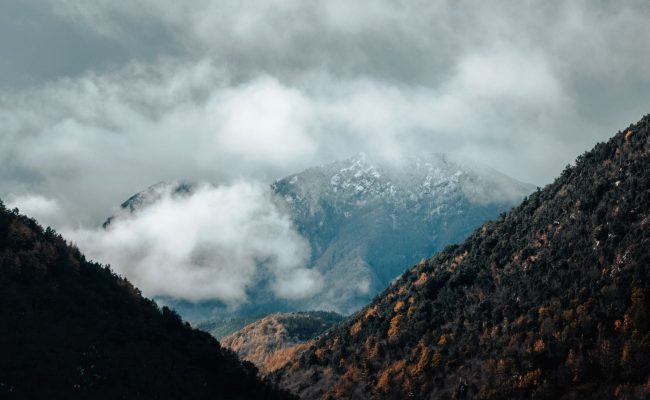
Il Monte Accellica, conosciuto come la Regina dei Picentini, offre percorsi di trekking tra boschi, sorgenti e creste rocciose. Scopri gli itinerari più impegnativi per raggiungere le sue vette e ammirare panorami spettacolari sull’Appennino campano.
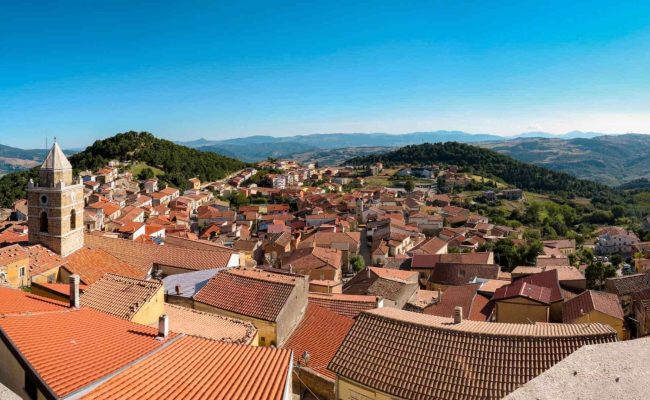
Tra le torri del Castello Baronale, i vicoli del centro storico e i panorami del Lago di San Pietro, Monteverde offre esperienze ricche di fascino. Un percorso che unisce storia, cultura, natura e turismo accessibile nel cuore dell’Irpinia orientale.

A list of the ten coolest places in Irpinia, where you can escape the stifling heat and experience an unforgettable summer.

Ai piedi del Monte Serpico, tra boschi secolari e sorgenti cristalline, Sorbo Serpico custodisce uno degli angoli più autentici e incontaminati dell’Irpinia.

Rivers are environmental resources rich in life and beauty, but at the same time they are symbols of community and part of the identity of our territories.

Surrounded by the Picentini Mountains, Lake Laceno is a popular destination for both summer and winter tourism, as well as a host of recreational activities.
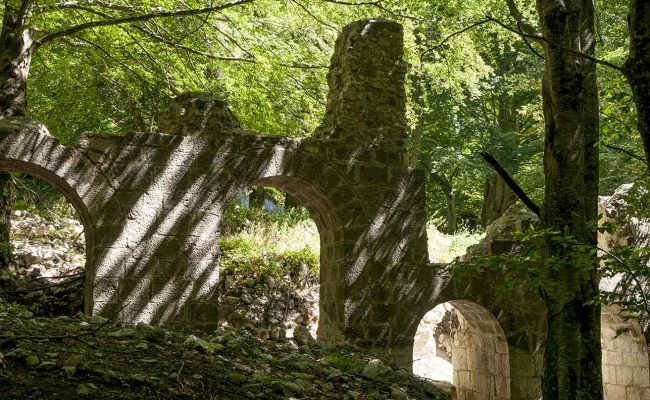
The Ruins of the Incoronata di Sant’Angelo a Scala, in Irpinia: the trekking route from Pietrastornina and the history of the Sanctuary.


