
Quaglietta’s Ginger: A Treasure of History and Taste
Quagliettano ginger: an Irpinia specialty, illustrated through local culture, captivating aromas, and a long-standing culinary tradition.


Since last Sunday, Palm Sunday, we have fully entered the Easter season, a time of year filled with religious, folkloristic, and culinary traditions, especially in Irpinia.
As if by chance, a few days ago, while tidying up the bookcase where we keep books donated to us by our dear and loyal members, we came across a curious little book entitled “Sorbian Recipe Book” subtitled “The cooking of Sorbo Serpico housewives told to their grandchildren.” The recipe book was the brainchild of Costantino Mario Melillo, mayor of Sorbo Serpico from 2003 to 2004, and was created thanks to the collaboration of young people from Sorbo Serpico and skilled local housewives, guardians of secrets and ancient culinary traditions. This small volume, consisting of no more than 119 pages, collects, as the title suggests, a series of recipes that have characterized the art of Sorghum cuisine for centuries, divided according to the holidays and the time of year in which these dishes are strictly prepared. The peculiarity that makes this little book even more curious and interesting is that each ingredient, along with the resulting preparation method, is meticulously transcribed in the Sorbian dialect, complete with footnotes providing the respective Italian translation.
The first Easter recipe to appear in the little book is that of the unmistakable pizza chiena, identified as a traditional Easter Eve dish, therefore absolutely not to be eaten on Good Thursday and Good Friday. Starting from the assumption that pizza chiena, like other Easter pizzas, is a dish to be shared with the family, it goes without saying that the ingredients needed for its preparation are numerous and of a high weight. To make the dish following the Sorbian recipe, you will need: ten eggs, one kilo of ricotta and sheep’s milk cheese, plenty of caso rattato, caso frisco and scamorza, dried sausages, salami, white flour, oglio and pepper. Once we have all the ingredients available, we can begin kneading the dough, starting with the dough that the Sorbian recipe book recommends rolling out com’a na laianella, that is, thin. After mixing eggs, cheeses, dried sausages and salami in a large bowl, and rolling out the pastry in a greased pan, votta indo tutte cose, that is, pour the filling into the pan. Once you’ve added the second pettola to cover the pizza and brushed it with beaten egg, it’s ready to bake in the oven for a good hour.
In response to the pizza chiena, on Good Thursday and Friday, the days of the Passion of Jesus Christ, it will be possible to eat pizza co’ l’ereva, a dish made with country herbs.
To make the recipe, you must first obtain the ereva, which will make up the menesta, and then the pizza filling. Some housewives also dedicate themselves to gathering herbs, being skilled experts in the art of distinguishing them from simple wild herbs. After carefully harvesting and washing the escarole, a soup is prepared containing cardoons, borage, and escarole. Once ready and well-drained, the cirifognoli (chervil) are added, and the soup is then simmered in plenty of hot oil along with onion, anchovies, capers, and pine nuts, remembering to add a little water if necessary to prevent the soup from sticking to the bottom of the pan. While waiting for the soup to cook, the dough for the pastry is prepared following the same procedure as for the pizza chiena. Once cooled, the soup is placed on the first pettola, spread in the circular container well greased with oil or ‘nsugna, then covered with a second sheet of dough brushed with beaten egg. The pizza co’ l’ereva also requires a good hour for optimal cooking.
Not only savory pizzas but also sweet pizzas make up the Easter recipes of the Irpinia culinary tradition. First and foremost is ‘a pastiera co’ o grano. To prepare the pastiera, you need to make the pastry, which is made up of: four hundred grams of flour, one hundred and fifty grams of butter, three eggs, and one hundred grams of sugar. Then you move on to preparing the filling. The recipe book calls for the use of raw wheat soaked for at least two days, but for convenience, you can prefer pre-cooked wheat purchased at the supermarket. After drying the wheat thoroughly, cook it in a pan with milk, orange and lemon zest, and butter. Cook for a few minutes until almost boiling. Don’t forget to mash the wheat with a fork during cooking. Once cold, mix it in a bowl with: ricotta, sugar, candied fruit, and fifty grams of water and purtuallo, or orange blossom flavoring. Once the filling has been inserted into the pastry rolled out in the ruoto, the pasta strips are cut, which, if arranged correctly on the pastiera, will form diamonds.
The idea behind Melillo’s little book is the need to pass down to posterity the love and passion for the ancient recipes of Sorghum and Irpinian in general. It’s clear that, in each town, dishes can have different names, as well as require different ingredients and procedures. The important thing, however, is to preserve this immense and delicious culinary heritage, a small source of pride for our beloved land.

Quagliettano ginger: an Irpinia specialty, illustrated through local culture, captivating aromas, and a long-standing culinary tradition.

Nel cuore della terra dell’Aglianico, la cripta di Montemarano custodisce affreschi millenari e una storia che intreccia fede, arte e tradizioni.

Mugnano del Cardinale salami, whose production process is characterised by the wind, is now included among the PAT products of the Campania Region.

In Volturara Irpina, a very typical bean is grown, a culinary delight with strong connections to the local culture: the Quarantino bean.
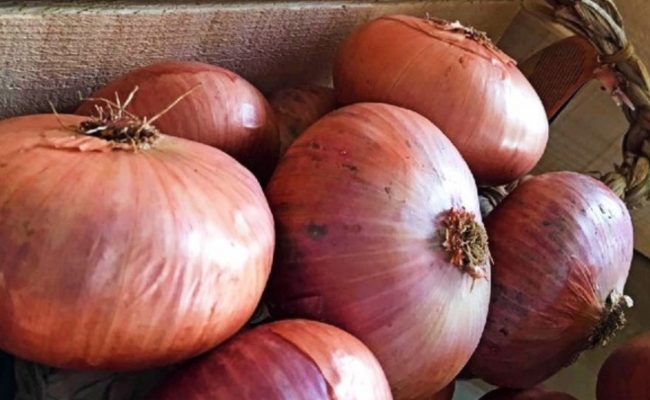
Dolce, delicata e dal caratteristico colore ramato: la cipolla di Montoro è uno dei tesori della gastronomia irpina. Scopri la sua storia, le tradizioni contadine e le ricette che l’hanno resa protagonista anche della cucina d’autore.
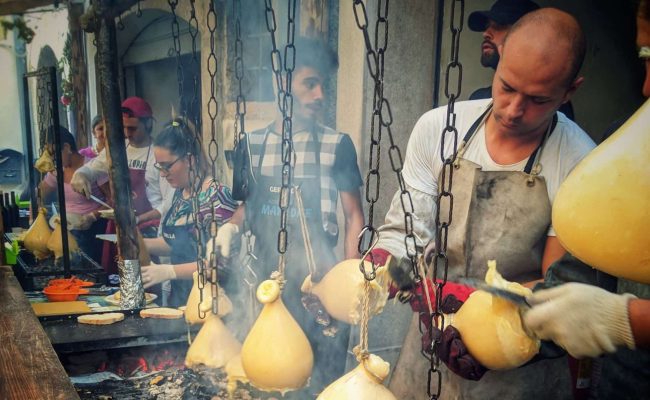
Immagina di passeggiare tra i vicoli di un borgo irpino, seguendo il profumo della brace e delle caldarroste. Tra panini, formaggi, pasta fatta in casa e dolci tradizionali, scopri gli assaggi imperdibili delle sagre in provincia di Avellino.

A Castelfranci Avellino la tavola racconta molto del territorio. Da una parte c’è la maccaronara, pasta fresca lavorata ancora secondo una tradizione condivisa con i vicini comuni di Montemarano e Castelvetere sul Calore; dall’altra l’Aglianico, vitigno che in queste terre trova una delle sue espressioni più importanti e dà origine anche al Taurasi DOCG. Due […]

Maccaronara is a traditional first course from the towns of Castelfranci, Montemarano, and Castelvetere sul Calore, whose recipe has been handed down for generations.


